Thanks for Visiting!

This is the Chicago Plumbing Blog from Morning Noon and Night Plumbing! Here we talk about all things plumbing: repairs, leaks, water pipes, sump pumps, sewer and drain cleaning, water heaters, Hydro-rooting, and more. We are a local Chicago plumbing service, so we also discuss things we love in the area! Thanks for stopping by, and please give us a call for all your plumbing maintenance needs or your next plumbing emergency! www.morningnoonandnightplumbing.com

Thursday, June 27, 2013

Never Treat Your Pipes With Harmful Chemicals

Our sewer system is connected to our intricately woven plumbing system below and throughout our home. The pipes in our home are not unlike the circulatory system in our bodies. In order for blood and water to flow properly it needs to be unimpeded by any foreign objects that don't belong in the system.

Unlike our bodies, the quick fix for clogs in most households is Drano, Liquid Fire, or some similar product. While it may clear the blockage in your pipe, it can also eat right through your pipes, walls, ceilings, and a plumber's protective gear, in addition to contaminating ground water. Never treat your pipes with harmful chemicals.

If you have low blood pressure you might be inclined to visit a doctor. You should do the same for your pipes. Don't live with low water pressure. Let our competent professionals come out and evaluate your home's plumbing system. DIY fixes that you see online may seem quick and easy, but you really could be doing more harm than good to the lifeblood of your home. 

Treat your home to a check up today with one of our knowledgeable and affordable plumbers. We will evaluate the quality of your current system and do everything to make it as efficient as possible. Contact Chicago area Morning Noon and Night Plumbing at 773-880-0072 for assistance.
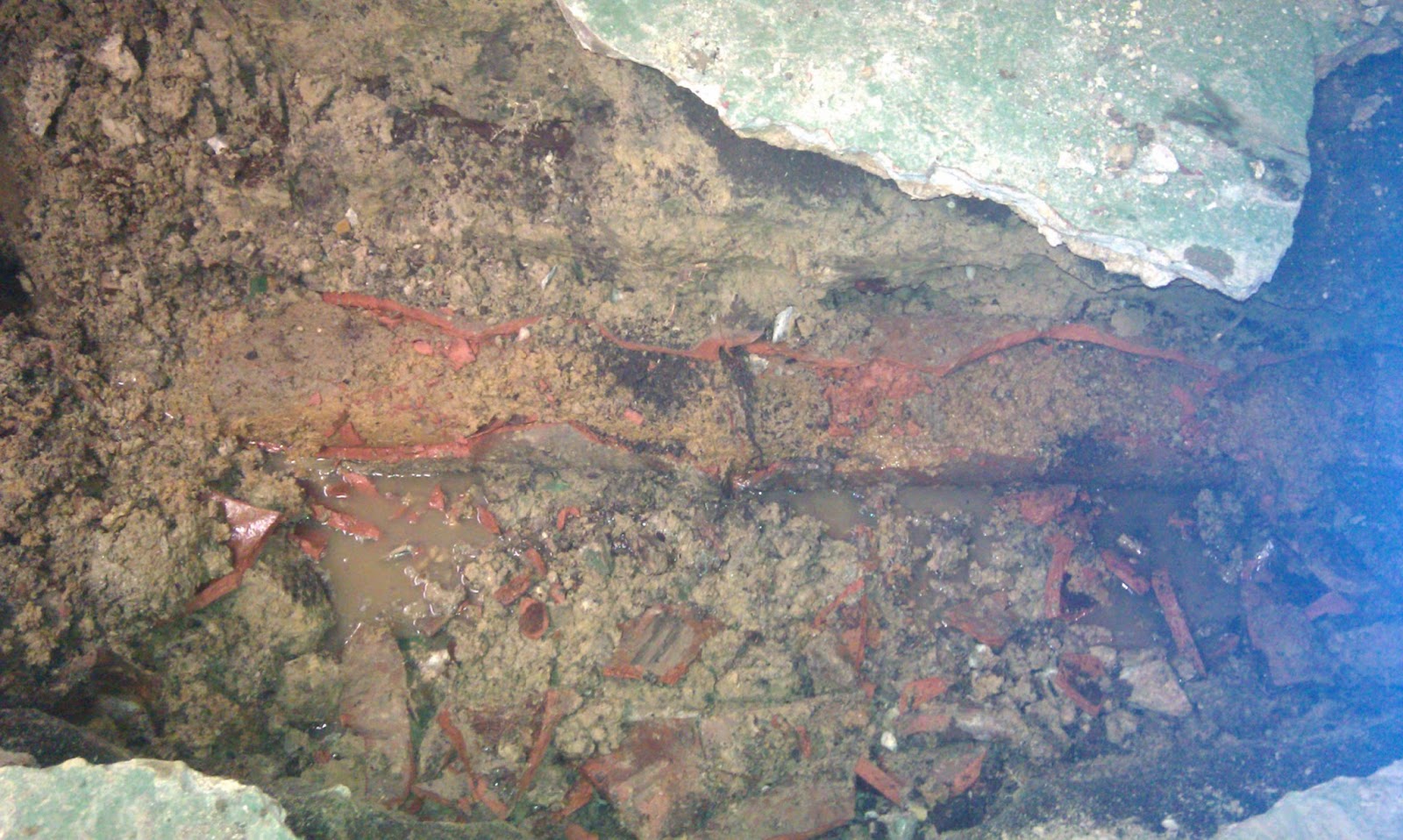

Clogged and Broken Main Line
Main Line After Repair

Thursday, June 6, 2013

Commonly Made Plumbing Mistakes

  • Misuse of vent pipes. Vent pipes are for venting. They are not for running cables, or any other purpose. These pipes are intended to give air to drains in your house, so that the plumbing can flow and the sewer gases do not enter your home. If you cut into these vents to run cables, you will notice a definite sewage smell in your home.
  • Removing the drain from a sink. In an effort to make their homes more green, some homeowners are taking out parts of their sink drains so they can collect waste water to water their plants. This creates a similar problem as cutting into vents. Again, it allows sewer gas into your home.
  • Hitting plumbing pipes with a nail. When you are going to nail something into the wall, make sure you know what is behind it. Trying to do a job too hastily can result in a surprise in the form of a pipe.
  • The use of drain cleaner. Drain cleaners are highly corrosive chemicals. They have been known to eat through plumbing tools, gloves, and pipes! When they start to corrode the drain itself, they can make the clog worse while compromising the walls of your pipes. 
  • Flushing away your garbage. Toilet paper is the only thing that should be flushed. That magical black hole actually leads to a three-inch drain pipe, and it can only handle so much. Flushing everything will back up the plumbing, causing costly repairs.
  • Adding chemicals to the septic system. If you have a septic system, you should take the time to learn what you should not send down the drain. Chemicals, like drain cleaner, chlorine bleach can mess up the bacteria in the system. 
  • Sending grease down the kitchen drain. Grease will clog your kitchen drain. Let your grease cool and then throw it in the garbage. Your pipes will thank you for it. 
If you need help undoing any of these commonly made plumbing mistakes, contact Chicago area Morning Noon and Night Plumbing at 773-880-0072 for assistance.

Tuesday, May 14, 2013

Why Is There A Water Stain On My Ceiling?

There are several reasons for water to come through a ceiling and not all of them are connected with your plumbing system:
  • If water is pouring through your ceiling during a heavy rain storm the problem is generally with either your roof or a blocked gutter.
  • Ice dams (water freezing and getting under the roof) during winter can cause water spotting and leaks once the ice starts to melt.
  • Snow can blow in through a ridge vent during a heavy blowing snow storm. Once the snow melts it will cause water spots and leaks.
  • Water coming through the ceiling after a shower can be the result of a plumbing leak, or the result of missing caulking - either in the tile or in the area where the tile meets the shower. However, the majority of service calls we receive about water stains on the ceiling are a result of a leaking toilet.
It's always a good idea to have a professional explore a ceiling water stain in order to prevent other costly repairs in the future. Contact Chicago area Morning Noon and Night Plumbing at 773-880-0072 to investigate the culprit of your water stain and for all of your plumbing needs.

Wednesday, May 8, 2013

Garbage Disposal Maintenance Tips

1. Be sure to insert garbage loosely and slowly into the garbage disposal. If you pack in too much at once, you can jam the disposal.

2. To flush food particles through the garbage disposal and down the drain line, use a strong flow of cold water while running the disposal for at least 30 seconds after noise of grinding has stopped.

3. Always use cold water when operating the disposal in order to solidify fatty, greasy waste so it is chopped up and flushed down the drain. This will also prevent waste from liquefying and coating your pipes.

4. After a period of time the teeth in your disposal will begin to dull. If your disposal jams often, fill your disposal up with ice to help keep the blades sharp. 


5. Don't dump fat, grease, and oils down your garbage disposal. The best way to get rid of liquid fats is to let them cool, pour or scrape them into a can or jar, and dispose of it in the trash once it's solidified. 


6. Water, water, water! Your garbage disposal's motor WILL burn out eventually if water is not running before, during, and after usage. 


7. Never let food sit inside your disposal and be sure to run the disposer each time you put food waste in it. Disposals are subject to corrosion from the acids formed by food waste left for an extended period of time.


8. Sometimes your garbage disposal will throw in the towel if you haven't been playing nicely. If you find your disposal without power, reset it. 


9. Keep your disposal clean by pouring a bit of dish soap and cold water down it, then let it run for 30 seconds to a minute. You can also add citrus peels with the water and soap for added freshness.

10.Your garbage disposal is NOT a trash can. It's not meant for stringy vegetables, expandable food, bones, plastic, glass, and metal. When in doubt, throw it out!

Be nice to your disposal and it will be nice to you for years to come. Having problems or need a new unit? Contact Chicago area Morning Noon and Night Plumbing at 773-880-0072 for additional tips and service for all of your garbage disposal needs.

Why Are My Pipes Sweating?

"Sweating" pipes and plumbing fixtures in summer time or during seasonal changes do not always point to a plumbing issue. Due to the condensation of water vapor in the air, beads of moisture will form in warm weather on any exposed pipes and fixtures containing cold water. However, when a toilet tank continues to "sweat" for hours after it has been used, it is a sign that cold water is continuing to flow through the toilet. This could be a sign of a leak.

Contact Chicago area Morning Noon and Night Plumbing at 773-880-0072 for all of your plumbing needs.


Tuesday, April 30, 2013

What Is A Grease Trap?

Grease Traps are a part of the kitchen system that captures fat, oil and grease (FOG) from the waste water flow. The FOG is stored in the trap, which is actually a tank, ranging from 10 gallons to 1,000 gallons or more depending on local plumbing code requirements. Small inside traps are usually located in the kitchen floor preparation areas or near dishwashers. This type of grease trap requires frequent maintenance and is typically ineffective. Larger outside grease traps are usually located a few feet from the building exterior in parking, driveway, or delivery areas. While outside grease traps are more effective, they also require periodic maintenance. Prevention is the key.

The grease trap works by slowing down the FOG and allowing it to cool. As the hot water cools, the FOG separates and floats to the top of the grease trap. The cooler water continues to flow down the pipe to the sewer. The FOG is actually trapped by "baffles." There are several designs preventing grease flowing out of the trap and into the municipal sewer system.

Chicago area Morning Noon and Night's expert service personnel will thoroughly clean and inspect your system. Grease traps need to be serviced regularly to significantly reduce the suspended solids that can flow into the sewer. If these solids build up beyond the allowed specifications, there maybe a surcharge from your local sewer district.

Remember, preventative maintenance goes a long way! Call us today for your residential and business plumbing needs.

Tuesday, April 16, 2013

Plumbing Tips For Kitchens And Bathrooms

"April showers bring May flowers"-- and the onset of spring. This means it's time for "spring cleaning." Don't limit spring cleaning to what can only be seen, your home's plumbing needs some TLC too!

Kitchen and Bathrooms

1.Check faucets for drips or leaks. Make repairs to save water. A drippy faucet can be costly and cause pungent odors and can turn in to deadly toxins.

2.Ensure that all drains have strainers to prevent hair, soap and debris from clogging the drain lines. This simple preventative maintenance can save thousands in the long run.

3.Check toilets for hidden leaks. Add six drops of food coloring to the toilet tank. If the toilet is leaking; color will appear in the bowl within 30 minutes. If it is in fact leaking, call us!

4.Inspect tank and bowl for cracks or leaks. Porcelain is durable, but when it is compromised, the structure is drastically weakened.

5.Exercise water supply valves under sinks and toilets to prevent them from sticking. Corrosion can render them useless if you let it go.

6.Make sure toilets flush properly. If the handle must be held down for a thorough flush or jiggled to stop the water from running you may need to replace worn tank parts. They're inexpensive and you'll notice a lower water bill. Jiggling the handle is never a fix.

7.Clean mineral deposits from shower head. Unscrew it and soak in vinegar or fill a plastic baggie with vinegar; place it over the shower head and hold in place with a rubber band. Soak overnight then remove and gently scrub with an old toothbrush to remove deposits. Again, preventative maintenance goes a long way!

For additional tips and assistance in keeping your home's plumbing system running in tip-top shape, contact Chicago area Morning Noon and Night Plumbing at 773-880-0072.